Caribbean Indigenous Traditions
Caribbean Indigenous Traditions Overview
Welcome to the first post in our overview series on Indigenous Traditions by Continent. I chose the Caribbean islands as the first choice since I have roots there. Let’s dive in!
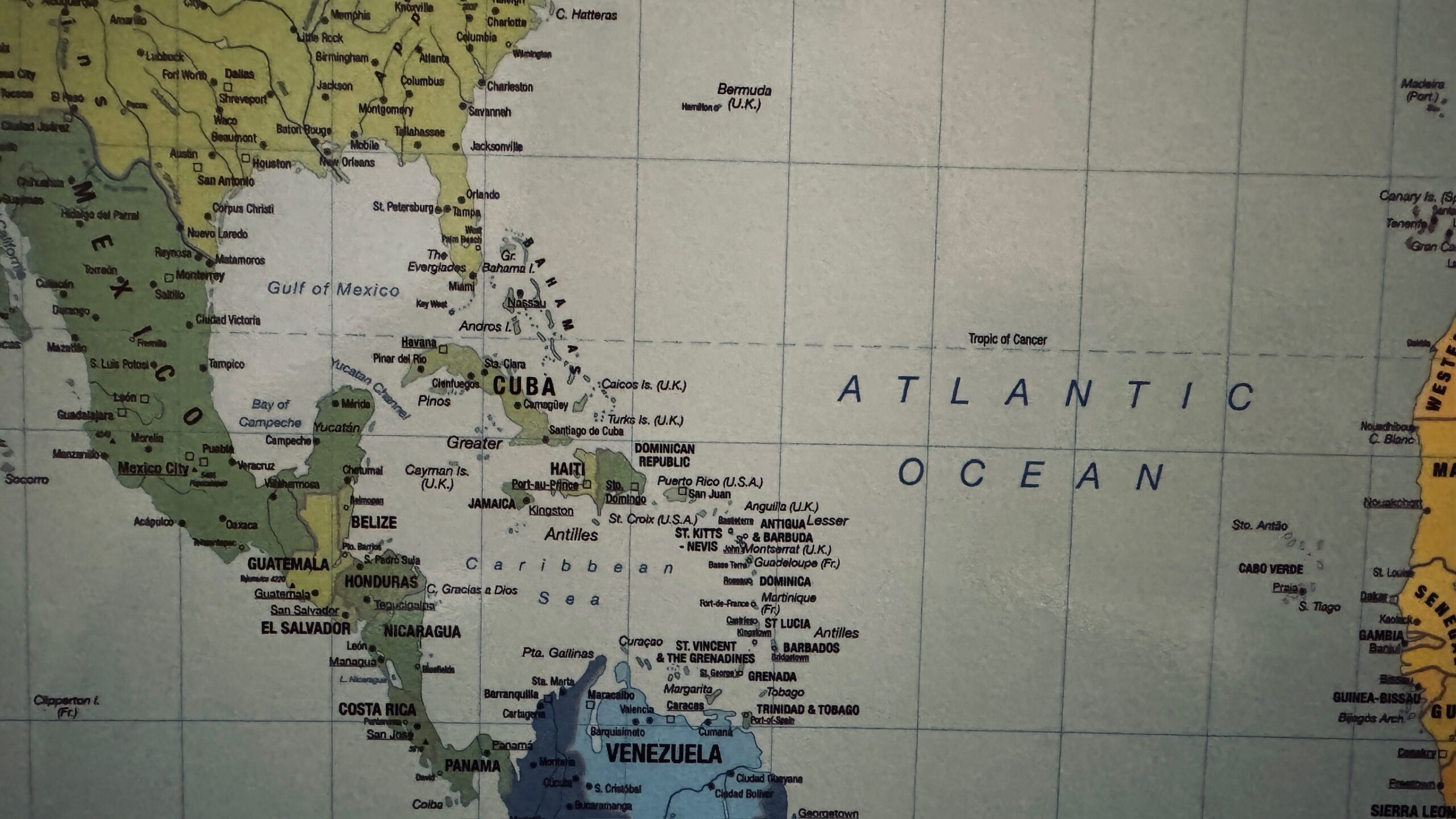
Caribbean Indigenous Traditions are often a mixture of various traditions from the continents of America, Africa, and Europe due to colonisation and the transatlantic slave trade. The European quest for domination, resource plundering and seizing as much land as possible led to the deaths of nearly four-fifths of the native population that already lived in the Caribbean through both slaughter and disease with their arrival from 1492 to 1692. The native populations, believed to have migrated from South America, were as follows:
- Ciboney – earliest civilization in the Greater Antilles, later displaced by the Taino
- Taino – Jamaica, Cuba, Bahamas, Puerto Rico, Dominican Republic, Haiti
- Kalínago (also known by the term Carib which is seen as derogatory) – The Lesser Antilles, including Dominica, St. Vincent and Grenada.
With this depletion of initial slave labour, the Transatlantic Slave trade began, and millions of Africans were brought to the Caribbean, South and North America. The Africans brought to the Caribbean were mainly from a large swath of West and Central Africa, spanning the northwest coast of sub-Sahara to the Bakongo (Congo/Kongo) regions. As such, the basis of spiritual tradition of each island varies according to country origin of the enslaved people on that specific island. For instance, Santeria in Cuba is based primarily on Nigerian Yoruba beliefs and practices. Vodun in Haiti is based on the beliefs and practices of the Dahomey (Benin) and Kongo.
The traditions practiced on each island were also influenced by the religion of the enslavers, so they have an element of Christianity that is either Protestant or Catholic in nature. The Catholics were more adamant to have their slaves covert so the indigenous traditions of the islands controlled by the French or Spanish are much more influenced than those controlled by the British. The British felt Christianity was above the reach of the slaves they felt weren’t worthy of it.
Caribbean traditions are practiced by millions because (as all traditions do) they provide the mythology, symbolism and practices that help followers get introspective and self-reflective so they can explore the meaning of life, find comfort in their beliefs in times of hardship, strengthen self-trust and personal conviction, and guide them in spiritual transformation. These traditions are a part of their daily lives. They often include folk medicine practices, have a code of ethics disseminated through stories, proverbs, songs, and other forms of creative expression. These traditions are usually practiced at home and have altars for spirit and/or ancestral veneration. There are opportunities for community with other on feast days when special ceremonies are held in temples, at pilgrimages or in places deemed sacred. These feast days are often officiated by priests and priestesses of prominence.
Here’s a list of some Caribbean Indigenous Traditions. It is not meant to be comprehensive, but it is a good starting point for anyone starting to research this topic:
- Cuba – Santeria, Palo Monte, Abakuá, Espiritismo
- Bahamas – Obeah
- Haiti – Vodun
- Dominican Republic – Santeria
- Puerto Rico – Santeria, Espiritismo
- Jamaica – Obeah, Kumina/Cumina, Myal, Convince, Rastafari (20th century religio-political movement)
- Antigua – Obeah
- Trinidad – Orisha (Shango/Sango), Spiritual Baptist (AKA Shouters)
- Tobago – Spiritual Baptist (AKA Shouters)
- Grenada – Orisha (Shango/Sango), Big Drum, Spiritual Baptist (AKA Shouters)
- St. Lucia – Carriacou, Kele
- Barbados – Obeah
- Guadeloupe – Quimbois
- Martinique – Quimbois
Stay tuned for overviews of each of these Caribbean traditions in the future. In the immediate future, as stated above, I will be posting overviews of indigenous traditions by continent. Next up will be the continent of America, as many of the traditions discussed in this article are also found in both North and South America. A list of sources will be provided in a different post and updated throughout the run of this overview series. See you soon!